10 Essential Beautician Skills to Learn for a Successful Beauty Career in 2026
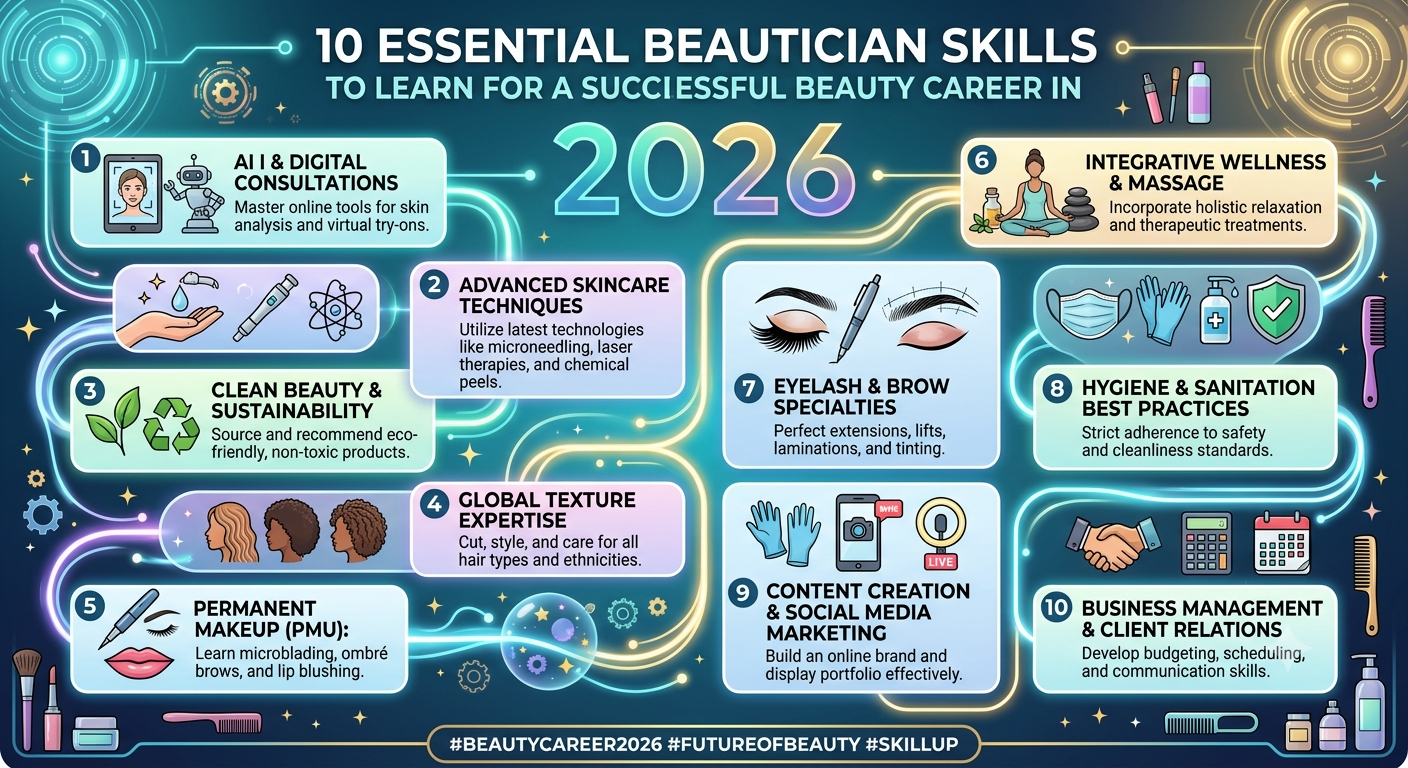
10 Essential Beautician Skills to Learn for a Successful Beauty Career in 2026
The beauty and wellness industry is evolving rapidly in 2026. Clients are no longer looking only for basic salon services; they expect professional expertise, personalised consultations, modern techniques, hygiene standards, and exceptional customer experiences. For anyone planning to build a successful career as a beautician, learning the right skills is essential for long-term growth.
At NS4 Hair & Beauty Academy, we believe that professional beauty education should go beyond theory. A successful beautician needs practical experience, technical confidence, creativity, communication skills, and an understanding of current beauty trends.
Whether we are starting our career as a professional beautician, makeup artist, hairstylist, skin therapist, nail technician, or salon entrepreneur, developing the following skills can help us build a strong foundation for a rewarding beauty career in 2026.
1. Professional Hair Cutting and Styling Skills
Hair is one of the most important areas of professional salon services. A skilled beautician should understand different hair types, textures, face shapes, hair conditions, and styling requirements.
Professional training should include:
- Basic and advanced hair cutting techniques
- Layer cutting and graduation
- Blunt and precision cuts
- Hair blow-drying
- Professional hair styling
- Straightening and curling techniques
- Basic hair consultation
- Understanding face shapes
- Hair care recommendations
Modern clients often want hairstyles that complement their personality and lifestyle. Therefore, we should learn how to analyse the client’s requirements before recommending a haircut or styling technique.
Strong hair skills can also create opportunities in salons, luxury beauty studios, bridal businesses, freelance styling, fashion, and entertainment.
2. Advanced Hair Colouring Techniques
Hair colouring has become one of the most requested salon services. From global hair colour to highlights and creative shades, clients expect professionals to understand colour selection and application.
A professional beautician should learn:
- Global hair colour
- Root touch-ups
- Highlights
- Lowlights
- Balayage
- Ombre techniques
- Colour correction
- Pre-lightening
- Toner application
- Grey coverage
- Colour maintenance
Understanding the hair colour wheel and underlying pigments is particularly important. Without proper colour knowledge, unwanted tones and uneven results can occur.
We should also learn how to perform proper consultations and strand tests where required, while following professional product instructions and safety procedures.
3. Skin Care and Facial Treatment Skills
Healthy-looking skin is a major part of modern beauty services. A professional beautician should know how to identify basic skin characteristics and select appropriate salon treatments.
Essential skincare knowledge includes:
- Skin types
- Skin analysis
- Cleansing
- Exfoliation
- Steaming
- Facial massage
- Face packs and masks
- Cleanup procedures
- Facial protocols
- Basic skin consultation
- Post-treatment care
Different clients may have different skincare needs, so professional beauticians should avoid treating every skin type in exactly the same way.
A strong foundation in skincare helps us provide more personalised services and recommend appropriate home-care routines without making inappropriate medical claims.
4. Professional Makeup Application
Makeup artistry is one of the most valuable skills for anyone planning a career in the beauty industry. Professional makeup requires much more than simply applying products.
We should learn:
- Skin preparation
- Foundation matching
- Concealer application
- Contouring and highlighting
- Eye makeup
- Eyebrow shaping
- Blending techniques
- Lip makeup
- HD makeup
- Airbrush makeup
- Day and evening makeup
- Party makeup
- Bridal makeup
Bridal makeup is particularly important because it requires precision, long-lasting techniques, photography awareness, and excellent client communication.
A professional makeup artist should also understand how lighting, photography, skin texture, and event duration can affect the final appearance.
5. Hair Smoothening and Modern Hair Treatments
Modern clients increasingly seek professional solutions for frizz, dryness, roughness, and difficult-to-manage hair. This has increased demand for advanced salon treatments.
Beauticians should develop knowledge of services such as:
- Keratin treatments
- Hair smoothening
- Nanoplastia
- Hair Botox
- Hair spa
- Deep conditioning
- Damage repair routines
We should understand the purpose, application process, precautions, aftercare, and suitability of every treatment rather than performing procedures mechanically.
A professional consultation is important before any chemical or intensive hair service. Hair history, previous colour or chemical treatments, hair condition, and client expectations should all be considered.
6. Nail Art and Nail Care Skills
Nail services have become an important part of the beauty industry. Customers increasingly want professionally maintained nails for everyday grooming, parties, weddings, and special occasions.
Important nail skills include:
- Manicure
- Pedicure
- Nail shaping
- Nail preparation
- Nail art
- Nail extensions
- Gel nail techniques
- Basic nail design
- Product hygiene
- Safe removal procedures
Creativity is particularly valuable in nail artistry. A professional nail technician can create designs based on seasons, weddings, festivals, fashion trends, and individual preferences.
Learning nail services can also provide an additional income stream for salon professionals and freelancers.
7. Hygiene, Sanitation and Client Safety
Technical skills are important, but professional hygiene is non-negotiable in the beauty industry.
Every beautician should understand:
- Tool cleaning and disinfection
- Proper hand hygiene
- Clean workstation practices
- Safe product handling
- Disposable product usage where appropriate
- Towel and linen hygiene
- Cross-contamination prevention
- Safe storage of products
- Basic client safety procedures
Maintaining a hygienic salon environment builds client confidence and demonstrates professionalism.
We should also understand when a service should be postponed or referred to an appropriate healthcare professional rather than attempting to treat a condition beyond our professional scope.
8. Client Consultation and Communication Skills
A technically excellent beautician can still struggle to build a successful career without good communication skills.
Professional consultation involves listening carefully to the client’s expectations and asking relevant questions about their:
- Desired result
- Previous salon treatments
- Hair or skin history
- Lifestyle
- Maintenance preferences
- Budget
- Event requirements
Instead of immediately recommending a service, we should first understand what the client actually wants.
Clear communication also helps manage expectations. When clients understand the realistic outcome, maintenance requirements, and limitations of a service, they are more likely to trust the professional.
9. Product Knowledge and Professional Recommendations
The beauty market is filled with shampoos, conditioners, masks, serums, cleansers, moisturisers, styling products, makeup products, and professional treatments.
A successful beautician should understand how products work, how they should be used, and which products are appropriate for different professional purposes.
Product knowledge should include:
- Ingredients and their basic functions
- Professional versus home-care products
- Product compatibility
- Application methods
- Storage requirements
- Usage instructions
- Aftercare recommendations
Good product knowledge allows us to provide useful recommendations without unnecessarily promoting products that do not suit the client’s needs.
10. Salon Management, Sales and Business Skills
For professionals who want to become salon owners or entrepreneurs, technical beauty skills are only one part of the journey.
We should also learn the fundamentals of:
- Appointment management
- Customer retention
- Service pricing
- Inventory management
- Staff coordination
- Basic accounting
- Retail sales
- Social media marketing
- Client relationship management
- Salon hygiene management
- Professional branding
A talented beautician who understands business can eventually move from being a service professional to becoming a salon manager, trainer, beauty entrepreneur, or salon owner.
Why Professional Beautician Training Matters in 2026
The beauty industry is becoming increasingly competitive. Watching online tutorials can provide inspiration, but professional training gives us structured learning, demonstrations, supervised practice, and the opportunity to develop correct techniques.
At a professional beautician course, students can learn multiple areas of the beauty industry instead of depending on one skill.
A comprehensive curriculum may cover hair cutting, hair colouring, skincare, facials, makeup, bridal makeup, nail art, hair treatments, grooming, and salon management.
Practical training is especially important because confidence comes from repeated hands-on practice.
How to Build a Successful Beauty Career
Learning skills is the first step. Building a career requires consistent practice and continuous improvement.
We can follow a simple professional growth path:
Learn → Practise → Build a Portfolio → Gain Experience → Develop Specialisation → Build a Client Base → Grow Professionally
Creating a portfolio is particularly valuable. Before-and-after transformations, bridal makeup looks, hairstyles, nail designs, and skincare services can demonstrate our abilities to potential clients and employers.
Social media can also help beauty professionals showcase their work and connect with new customers.
Career Opportunities After Learning Beautician Skills
Professional beauty training can open several career opportunities, including:
- Professional Beautician
- Hair Stylist
- Makeup Artist
- Bridal Makeup Artist
- Skin Therapist
- Nail Technician
- Salon Manager
- Beauty Trainer
- Freelance Beauty Professional
- Beauty Entrepreneur
- Salon Owner
With experience and additional training, professionals can specialise in premium services and develop their own client base.
Frequently Asked Questions About Beautician Skills
What are the most important skills for a beautician?
The most important skills include hair styling, hair colouring, skincare, makeup, facial treatments, nail care, hygiene, consultation, communication, and salon management.
Is a beautician course useful for beginners?
Yes. A structured professional course can help beginners develop fundamental techniques systematically while gaining practical exposure to different salon services.
Can we become a makeup artist after a beautician course?
Yes. A comprehensive beauty programme can provide a foundation in makeup, while specialised makeup training can further develop skills in HD makeup, airbrush makeup, party makeup, and bridal makeup.
Which beauty skill has good career potential in 2026?
There is demand across multiple areas, including hair colouring, advanced hair treatments, bridal makeup, skincare, nail services, and professional beauty services. The best specialisation depends on individual interests, abilities, market demand, and continued training.
Can beauticians start their own salon?
Yes. With appropriate technical training, practical experience, business knowledge, financial planning, and customer-management skills, beauty professionals can eventually establish their own salon or beauty business.
How can we improve our beauty skills after completing a course?
Continuous practice, workshops, advanced certifications, masterclasses, observing industry trends, and regularly updating techniques can help professionals remain competitive.
Learn Professional Beauty Skills at NS4 Hair & Beauty Academy
Building a successful beauty career starts with learning the right skills from the right foundation. At NS4 Hair & Beauty Academy, we focus on developing practical beauty expertise that can help students prepare for professional opportunities in the growing salon and beauty industry.
From hair styling and hair colouring to makeup, skincare, bridal makeup, nail art, hair treatments, and salon management, structured professional education can help turn an interest in beauty into a practical career path.
For anyone planning to enter the beauty industry in 2026, the goal should not simply be to learn one salon service. The real opportunity lies in developing a complete professional skill set, building confidence through practical experience, understanding clients, maintaining high hygiene standards, and continuously improving with industry trends.
A successful beauty career is built skill by skill—and the right training can provide the foundation for that journey.
Final Thoughts
The beauty industry rewards professionals who combine technical expertise, creativity, communication, hygiene, customer service, and business awareness. By mastering these 10 essential beautician skills, we can create stronger career opportunities and position ourselves for long-term growth.
Whether the goal is to work in a premium salon, become a freelance artist, specialise in bridal beauty, become a beauty trainer, or eventually open a salon, investing in professional education and practical skills is one of the strongest steps toward a successful beauty career in 2026.
Start learning. Keep practising. Stay updated. Build your expertise—and turn your passion for beauty into a professional career.